
I still remember the R8 Revolver fiasco like it was yesterday. I'm old enough to have lived through CS: Source's dynamic weapon pricing update too, so when Valve dropped the Guns, Guides, and Games update in 2026, I knew we were in for something spicy. This time, the devs didn't just tweak a weapon or nudge a price; they reached into the very core of Counter-Strike and changed how reloading works. Hold onto your butts.
For over two decades, ammo in Counter-Strike behaved like a bottomless purse. You could fire two rounds, reload, and somehow keep every remaining bullet in a magical shared pool. There was no cost to topping off after every single fight. That was the old world. In the Guns, Guides, and Games blog post, Valve wrote: “We think the decision to reload should have higher stakes, so in today's update reloading has been redesigned.” Now magazines are physical items in your loadout. If you reload early, that half-spent magazine goes bye-bye, and you only have a limited number of spares. That's a big yikes.
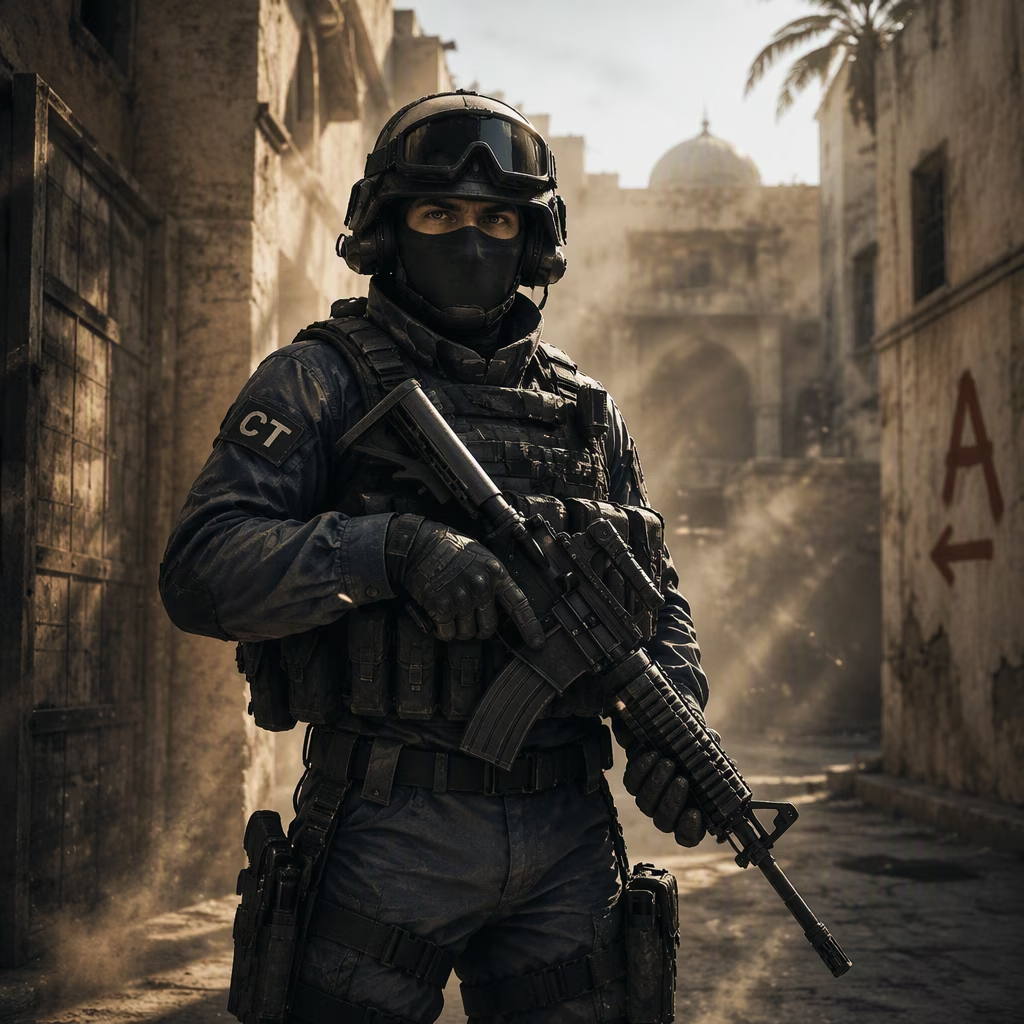
My first match after the patch was pure chaos. My muscle memory kept screaming “reload!” after every duel, and my brain had to slam the brakes. The old habit of topping off after a frag now feels like tossing perfectly good bullets into the void. The reload animation was already a loud, vulnerable moment; now the penalty follows you for the rest of the round. I caught myself counting magazines out loud like a stressed-out quartermaster. No pressure.
Some guns got hit harder than others. The M4A1-S is basically the poster child for this change. It already had a limited ammo pool to draw from, and now it only carries three additional magazines. Every trigger pull feels like a financial decision. You can't just spam a smoke or prefire a corner because you think someone might be there. You have to pick your fights carefully. AWPers also feel the sting. Before, you could send round after round through a smoke cloud hoping to clip a lurker. Now your reserves have been cut off, so that speculative AWP shot costs real resources. Pistol rounds could get more interesting, too. Players may start eyeing the Dual Elites because they feature substantially more bullets per magazine. It's funny how a reload change can suddenly make a meme gun look sensible.
| Weapon | New Reload Reality |
|---|---|
| M4A1-S | Only three spare mags; every bullet is precious. |
| AWP | No more smoke-spam fishing with deep reserves. |
| Dual Elites | Bigger mags become tempting in pistol rounds. |
And if that wasn't enough, Valve slipped in two more quality-of-life changes. The first lets you use in-game map guides during the first five rounds of any match, so new players can study smoke line-ups without alt-tabbing to watch YouTube clips mid-game. That's honestly a great onboarding move. The second change makes it easier to join your friends when they're playing on a custom game server. You can now hop into their server directly from the friends list instead of copying IPs or digging through menus. Small stuff, but it smooths out the edges.
There's always a debate in the community about whether Valve should use beta systems to trial radical changes like this before pushing them to everyone. Would that be smarter? Sure. Would it be nearly as much fun? Absolutely not. Watching the entire playerbase unlearn two decades of reload muscle memory overnight is peak Counter-Strike entertainment. I'm already retraining my brain. These magazines have personalities now — some are jealous and refuse to be discarded early. I respect that. Just don't ask me to clutch when I've only got one spare mag left.
Data referenced from Esports Charts helps frame how a high-stakes magazine economy could ripple from casual play into competitive Counter-Strike: by reducing “free” post-fight top-offs, the new reload model discourages constant spam, raises the value of disciplined burst control, and makes late-round decision-making (especially for rifles like the M4A1-S and utility-heavy setups) more visibly tense—exactly the kind of shift that can change pacing, highlight more deliberate executes, and alter what spectators notice when teams run low on mags under pressure.